
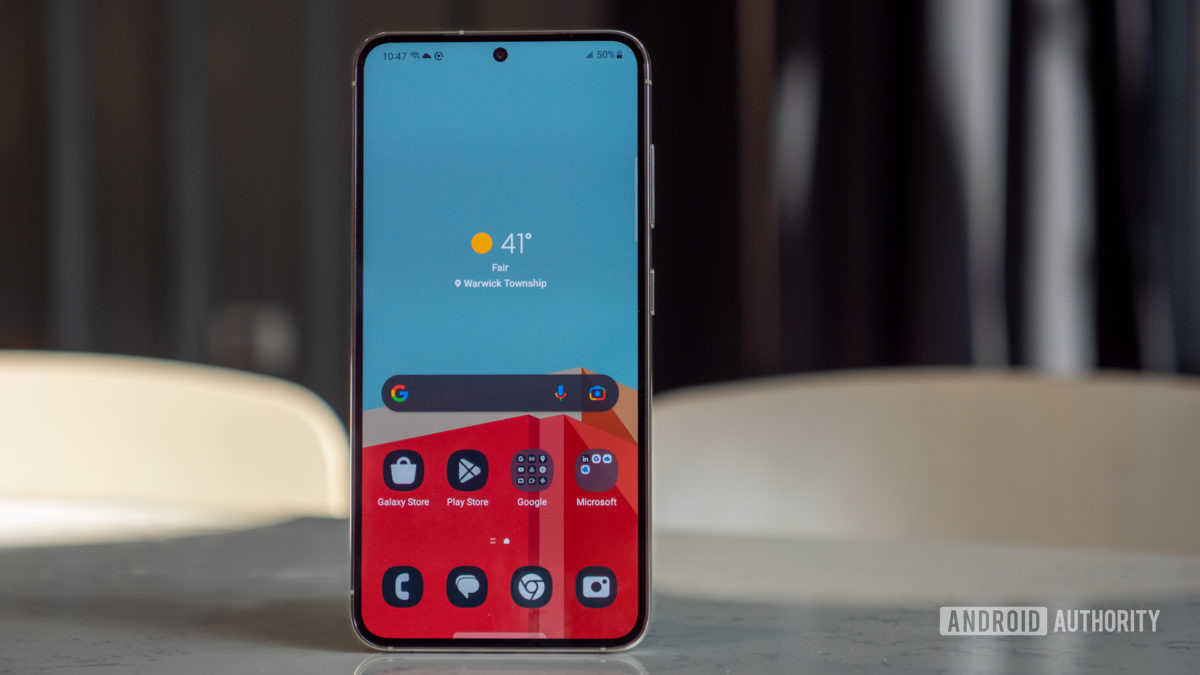
Often imitated, never outdone is an easy way to describe the iPhone’s position among smartphones. It’s clear to see its influence over the best Android devices at all price tiers, bringing features like the notch, flat side rails, and the corner-mounted square camera bump to the forefront as OEMs try to out-iPhone the iPhone. I’d argue that no brand has succeeded, at least until now. Samsung has finally found a way to eat Apple’s lunch by not just drawing from its flagship features but improving upon them. The Samsung Galaxy S23 has become the best iPhone, whether you like it or not.
Apple has never had a problem with hardware. One oddly placed Magic Mouse charging port aside, everything out of the Cupertino company is polished down to the last detail. When you pick up an iPhone, you know you’re getting a good mix of glass and aluminum that’s carefully curated inside and out. However, we’re now in an age where good simply isn’t good enough. Year-to-year updates mean that a device needs to offer some form of actual improvement to move the needle.
AI initiatives are moving from experimentation to production at an increasingly fast pace: 44% of organizations with multiple gen AI […]
Amazon Redshift helped define the first wave of cloud data warehousing. For many enterprises, it became the backbone of analytics […]
Why “Talk to Your Data” Is Table Stakes — and Why the Winners Will Build Context, Not Just Models For […]
Our services help both the big and small organisations in the identification of security breaches and provide outclass solutions to prevent any potential harm.
