
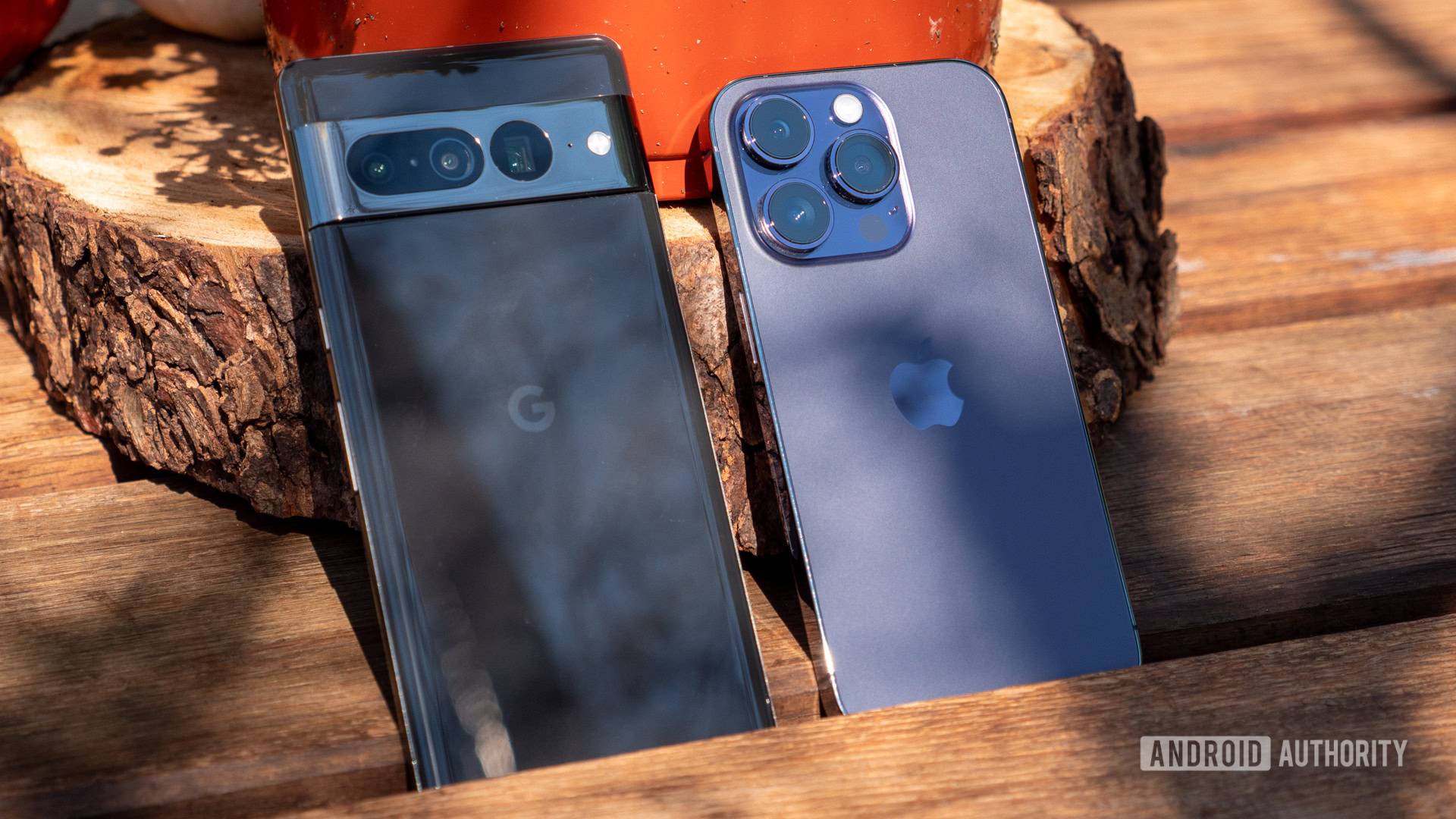
One of the defining characteristics of large lenses on traditional cameras is the stunning bokeh effect they produce. The stylistic choice creates segmentation between the subject and the background and adds to the overall cinematic appeal of video footage.
Now that some of the best camera-focused phones can achieve near-DSLR levels of portraiture, it’s no surprise that the next big challenge is to bring that same DSLR-like shallow depth of field to video. This year’s Pixel 7 series joins a relatively short list of phones, including the iPhone 14 Pro, to support a cinematic video feature. In fact, Google claims that the Tensor G2‘s machine learning smarts are key to enabling convincing bokeh blur. However, the proof is in the pudding.
Snowflake customers can now take advantage of Gemini 4 Argon natively in Snowflake’s AI tools—bringing deep reasoning and visual analysis […]
For life sciences organizations, real-world data (RWD) has become one of the enterprise’s most valuable assets. Operationalized as real-world evidence […]
Enterprise HR and financial data is essential to understand how a business runs. But it doesn’t tell the full story […]
Our services help both the big and small organisations in the identification of security breaches and provide outclass solutions to prevent any potential harm.