
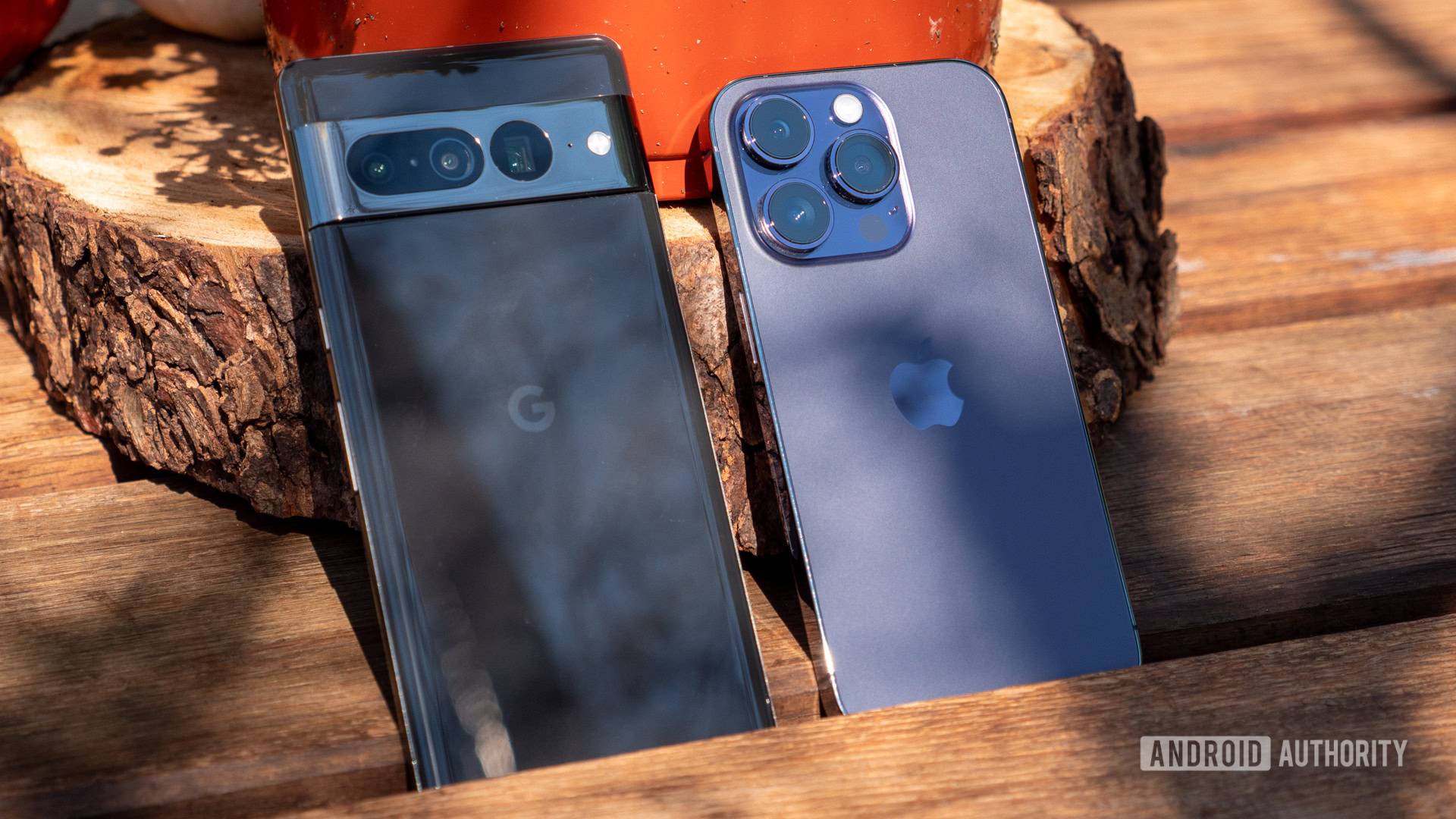
One of the defining characteristics of large lenses on traditional cameras is the stunning bokeh effect they produce. The stylistic choice creates segmentation between the subject and the background and adds to the overall cinematic appeal of video footage.
Now that some of the best camera-focused phones can achieve near-DSLR levels of portraiture, it’s no surprise that the next big challenge is to bring that same DSLR-like shallow depth of field to video. This year’s Pixel 7 series joins a relatively short list of phones, including the iPhone 14 Pro, to support a cinematic video feature. In fact, Google claims that the Tensor G2‘s machine learning smarts are key to enabling convincing bokeh blur. However, the proof is in the pudding.
AI initiatives are moving from experimentation to production at an increasingly fast pace: 44% of organizations with multiple gen AI […]
Amazon Redshift helped define the first wave of cloud data warehousing. For many enterprises, it became the backbone of analytics […]
Why “Talk to Your Data” Is Table Stakes — and Why the Winners Will Build Context, Not Just Models For […]
Our services help both the big and small organisations in the identification of security breaches and provide outclass solutions to prevent any potential harm.