
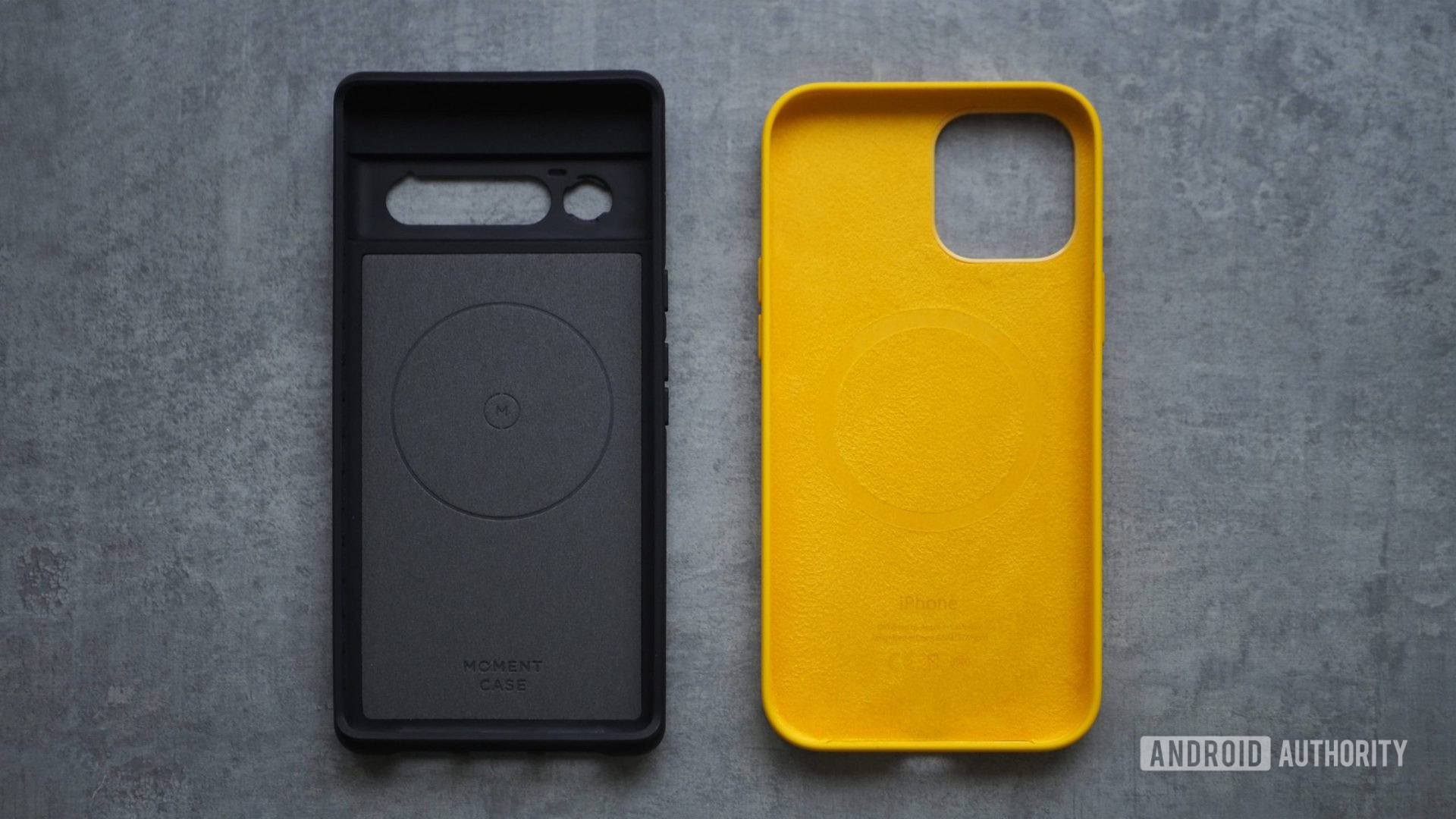
The problem with using MagSafe accessories on Android phones is that in order for them to stick to your phone, you need said phone to have the proprietary magnet array in one form or another. MagSafe adapter rings were a fine solution for a while, but they’re a little unsightly and they can catch on fabric when you slide the phone in and our of your pockets. Cases are more seamless; they hide the magnets inside of them. Until now, however, MagSafe cases for Android were either too expensive (Moment, Mous, Pitaka) or too cheap and no-name-branded.
Take a look at Amazon’s list of MagSafe-compatible cases for the one-year-old Samsung Galaxy S22, for example, and you’ll see a list of “brands” with names that look like someone just hit random letters on a keyboard and called it a day. No big hitters like Spigen, Otterbox, Speck, or others.
AI initiatives are moving from experimentation to production at an increasingly fast pace: 44% of organizations with multiple gen AI […]
Amazon Redshift helped define the first wave of cloud data warehousing. For many enterprises, it became the backbone of analytics […]
Why “Talk to Your Data” Is Table Stakes — and Why the Winners Will Build Context, Not Just Models For […]
Our services help both the big and small organisations in the identification of security breaches and provide outclass solutions to prevent any potential harm.
