
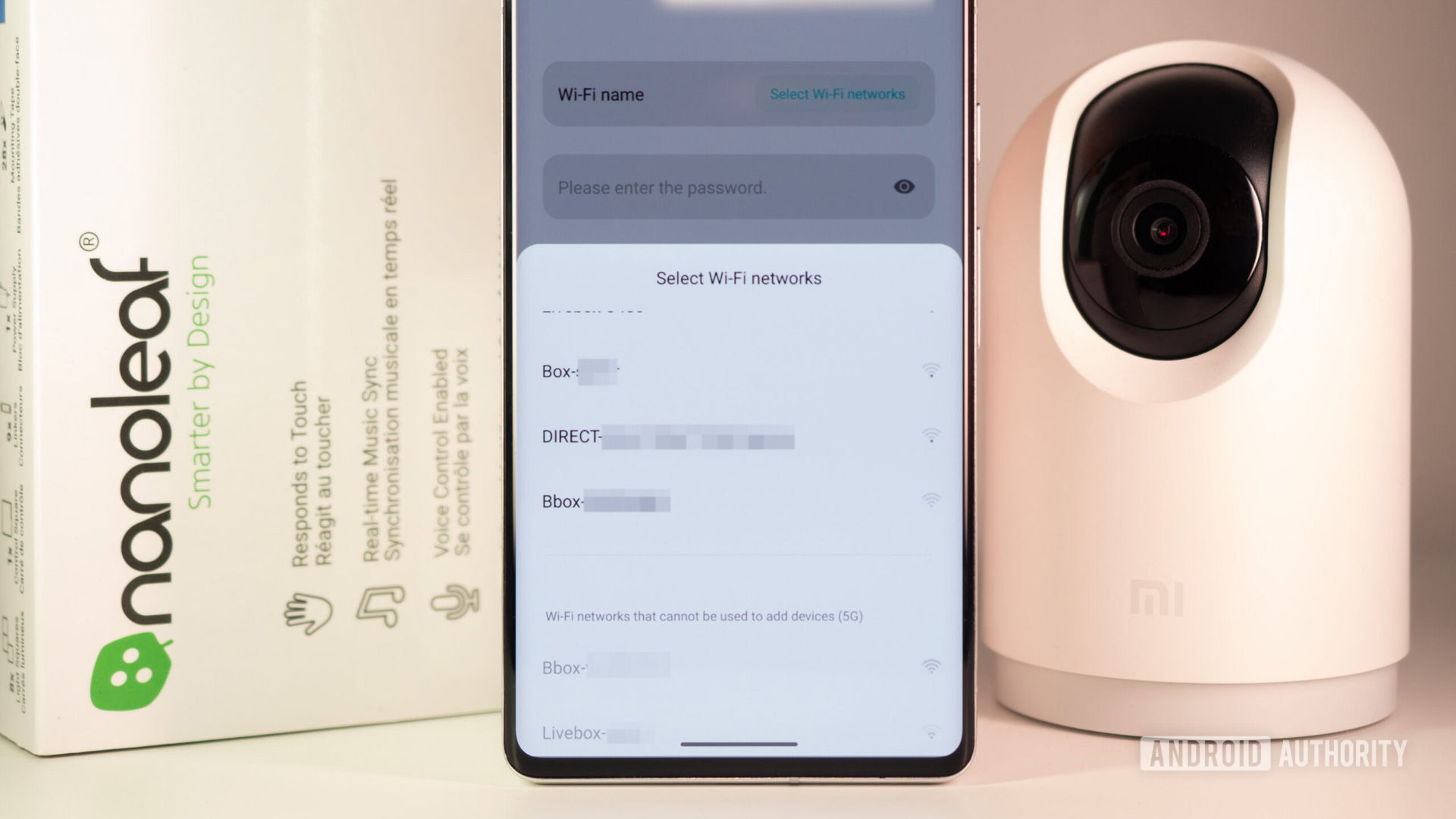
You may have run into this when setting up a new smart home product: You’ve installed its companion app, created an account, plugged in the gadget, and you’re all ready to go until you realize it won’t connect to your Wi-Fi. What’s happening? You restart the app, the phone, your router, and try all kinds of other tricks to no avail. The app refuses to see or connect to your network. In some cases, you’re not given the courtesy of an error message; in others, developers are kind enough to point out the issue: 2.4GHz Wi-Fi.
The first time this happened to me, I was setting up the $1400 Roborock S7 MaxV Ultra. An eye-watering price didn’t save this robot vacuum from having a cheap Wi-Fi chip, and I was left wondering if it would ever work on my dual-band router or I’d have to return it. (Spoiler: it works, but that requires workarounds that I’ll get to later.)
TL;DR Google is rolling out the first 2026 update for the Chromecast with Google TV 4K. The update includes the […]
Join our session “What AI Agents Need Before They Touch a Media Decision” at Advertising Week New York on Wednesday, […]
Credit: Robert Triggs / Android Authority TL;DR Samsung has refreshed its SmartThings app on mobile and smart home appliances. The […]
Our services help both the big and small organisations in the identification of security breaches and provide outclass solutions to prevent any potential harm.