
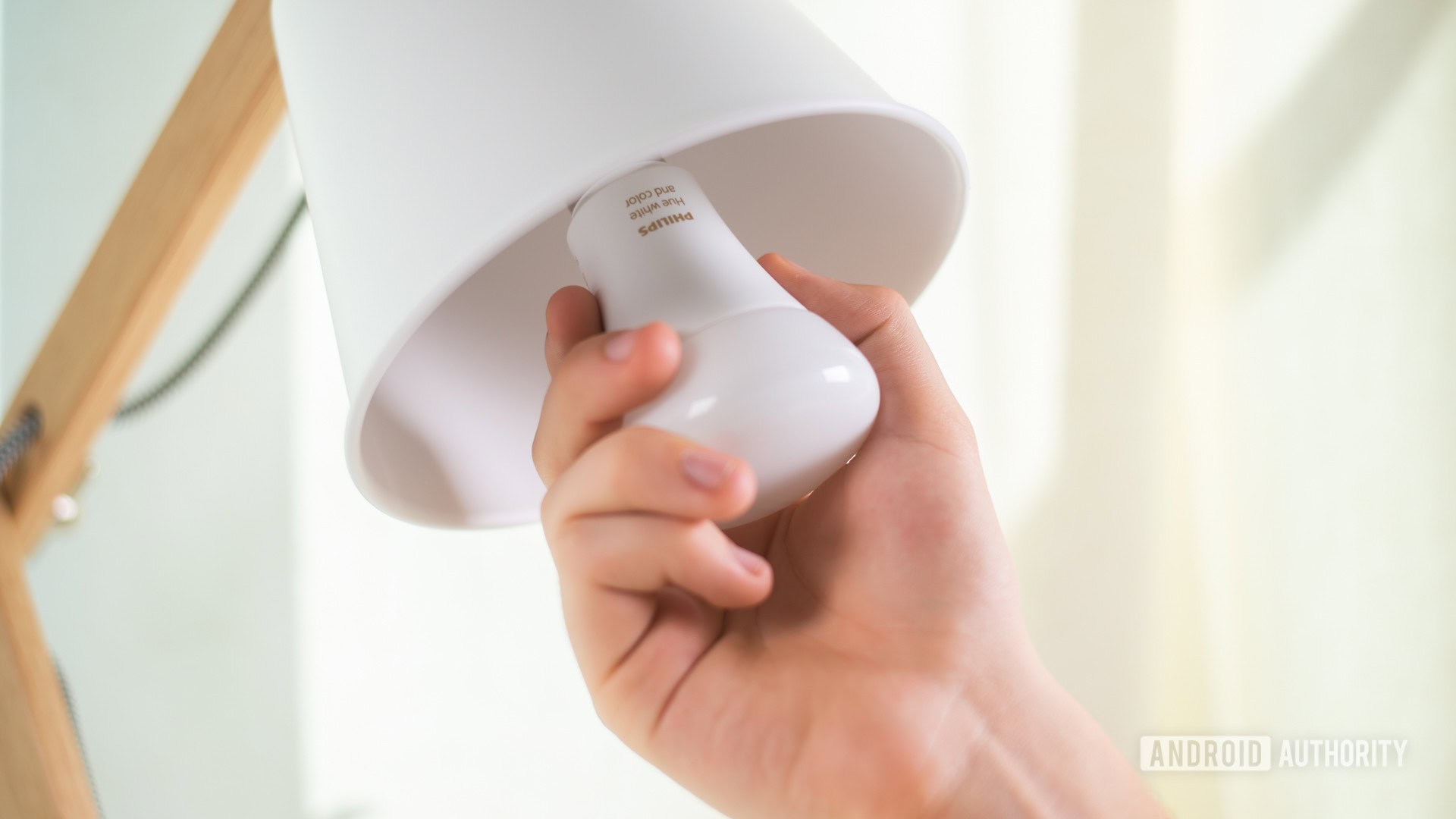
I have always been attracted to light. I naturally wake up to it every morning and I start winding down with it in the evening. Dim rooms, gloomy weather, and short winter days; none of these are my favorites. So when I moved from sunny and Mediterranean Lebanon to cloudy Paris about a year ago, I knew I was in for a bit of a shock to the system. But I had one tool in the box that I believed would help fix my sleeping and waking up pattern: Philips Hue lights.
Technically speaking, what I’m about to explain to you can be done with many other smart lights, and might be even easier or more customizable on other platforms. So why Hue? Simply speaking, I already own the hub and lights, so I used them. I picked them up a few years ago while building my smart home because of their power-on behavior setting and non-Wi-Fi connectivity. (I lived in an area with many power cuts and slow network connectivity.)
Snowflake customers can now take advantage of Gemini 4 Argon natively in Snowflake’s AI tools—bringing deep reasoning and visual analysis […]
For life sciences organizations, real-world data (RWD) has become one of the enterprise’s most valuable assets. Operationalized as real-world evidence […]
Enterprise HR and financial data is essential to understand how a business runs. But it doesn’t tell the full story […]
Our services help both the big and small organisations in the identification of security breaches and provide outclass solutions to prevent any potential harm.