
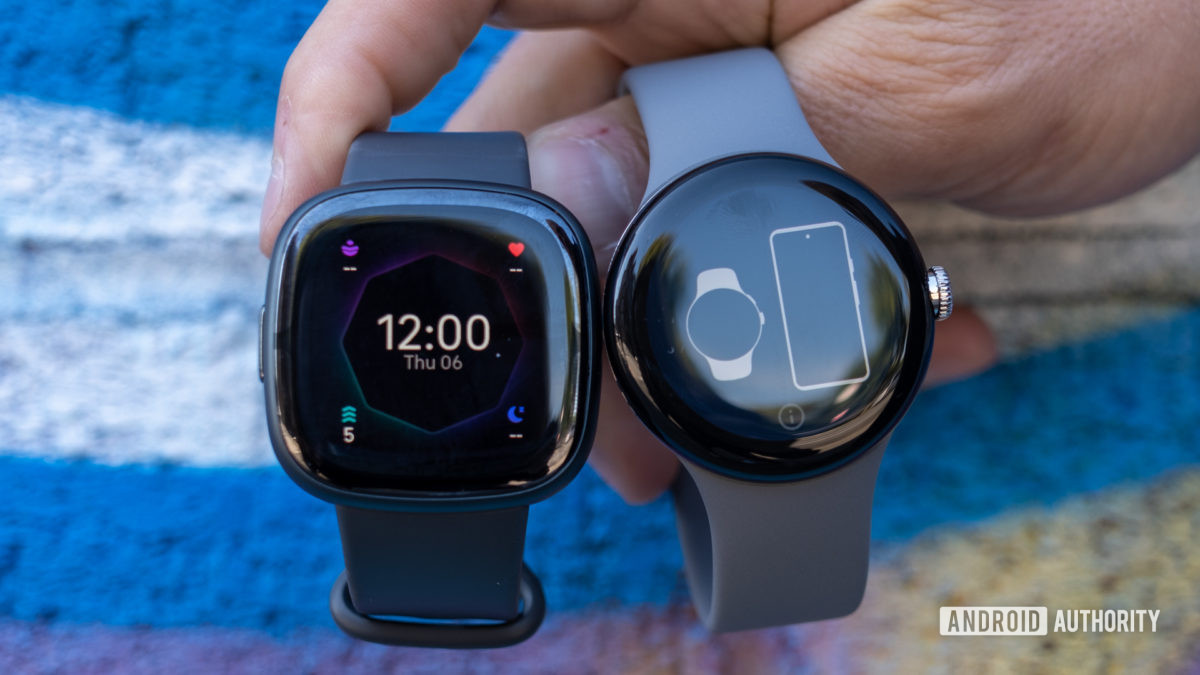
We’ve been waiting years to see it and now we finally know everything there is to know about the Google Pixel Watch. Announced this week alongside the Google Pixel 7 series, the Wear OS-powered smartwatch runs on a very old processor, has a tiny battery, and commands a higher price than its closest competitors. We haven’t had the chance to give it a full review yet, but on paper, it’s not the industry-defining timepiece we were hoping for.
Meanwhile, just a few weeks ago, Fitbit launched its newest premium smartwatch: the Fitbit Sense 2. While the Sense 2 has health-tracking capabilities we’ve never seen on any other watch before, it surprisingly lacks some integral features of its predecessor — Google Assistant support, third-party apps, and Wi-Fi connectivity. This makes the Sense 2 objectively inferior to the first Sense, at least when it comes to its usability as a smartwatch.
Snowflake customers can now take advantage of Gemini 4 Argon natively in Snowflake’s AI tools—bringing deep reasoning and visual analysis […]
For life sciences organizations, real-world data (RWD) has become one of the enterprise’s most valuable assets. Operationalized as real-world evidence […]
Enterprise HR and financial data is essential to understand how a business runs. But it doesn’t tell the full story […]
Our services help both the big and small organisations in the identification of security breaches and provide outclass solutions to prevent any potential harm.