
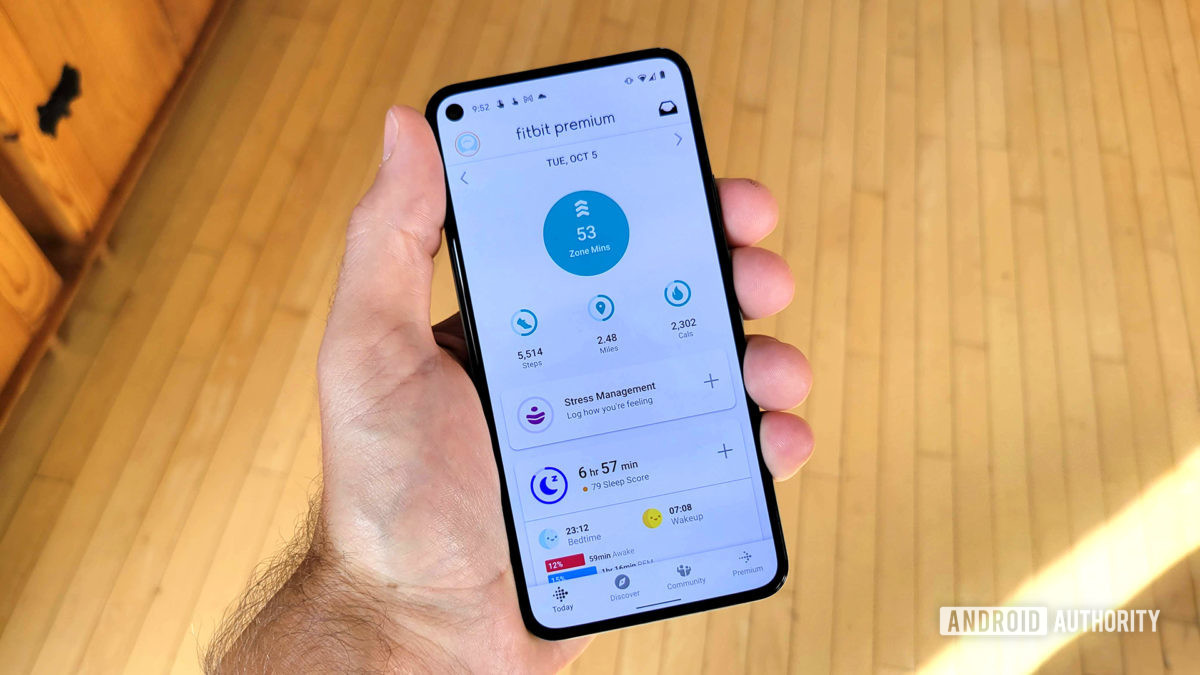
It’s no secret that the fitness tracking offered by Fitbit, Samsung, Google, Apple, and the like aims to help users begin and sustain their fitness journey, rather than turning them into a sprinter or a powerlifter. In this respect, their health platforms are pretty well-designed — you’ll regularly see people claiming that their Fitbit or Apple Watch helped them lose weight or gain a little muscle.
An industry-wide flaw, however, is the absence of rest days. There’s a nudge (or outright shove) to be active every day, which is admirable on the surface but can potentially create problems — whether you’re trying to burn fat or be a competitive athlete.
For decades, the “people, process and technology” framework served as the gold standard for transformation. But in the age of […]
For a global enterprise such as the Mark Anthony Group (MAG), managing data isn’t just a technical requirement — it’s […]
Developing and moving models through the machine learning (ML) pipeline has traditionally been slow and manual, forcing data scientists into […]
Our services help both the big and small organisations in the identification of security breaches and provide outclass solutions to prevent any potential harm.
