
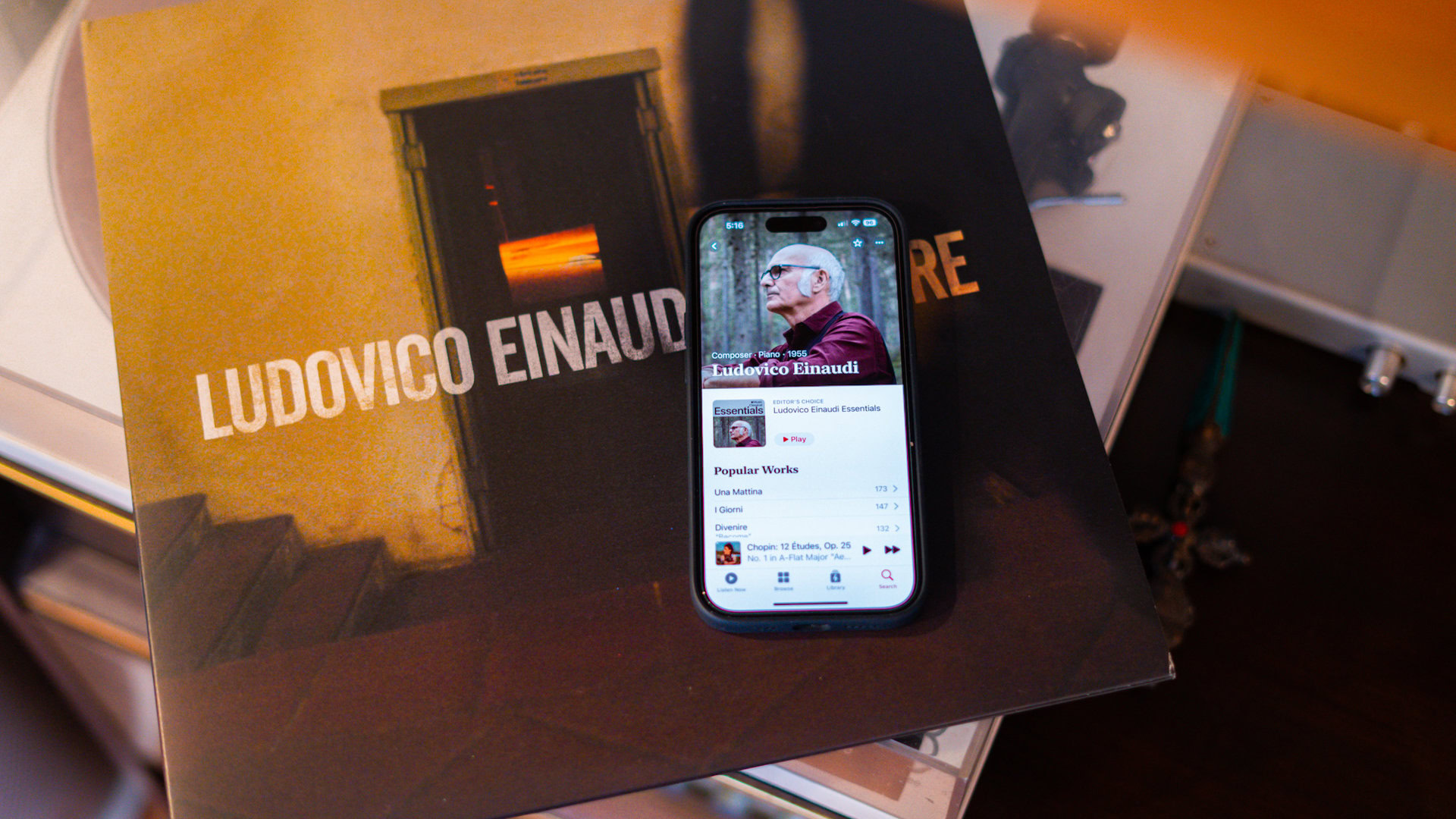
Julian Bream’s 1957 rendition of Weiss’ Tombeau Sur la Mort left a lifelong impression on me. As a ten-year-old, it ignited a passion for music and inspired me to pick up the guitar. In my formative years, I grew to enjoy Mahler, followed the Vienna Philharmonic, and dug out every rendition of my favorite movements. Ironically, it also taught me just how vital metadata can be for a great music-listening experience.
Over the years, my tastes evolved towards a diametrically different genre — metal. For all their differences, the two genres have sufficient overlap in ideologies. Both are focused on technical proficiency, nuance, and emotion. They both also suffer from a problem of curation, more specifically, metadata. It’s hard to blame the average listener for lumping all metal into a single bucket of heavy music when streaming services have treated the genre irreverently. Even today, streaming services can’t tell the difference between the Gothenburg school of black metal, symphonic black metal, and, say, ambient black metal.
AI initiatives are moving from experimentation to production at an increasingly fast pace: 44% of organizations with multiple gen AI […]
Amazon Redshift helped define the first wave of cloud data warehousing. For many enterprises, it became the backbone of analytics […]
Why “Talk to Your Data” Is Table Stakes — and Why the Winners Will Build Context, Not Just Models For […]
Our services help both the big and small organisations in the identification of security breaches and provide outclass solutions to prevent any potential harm.
