
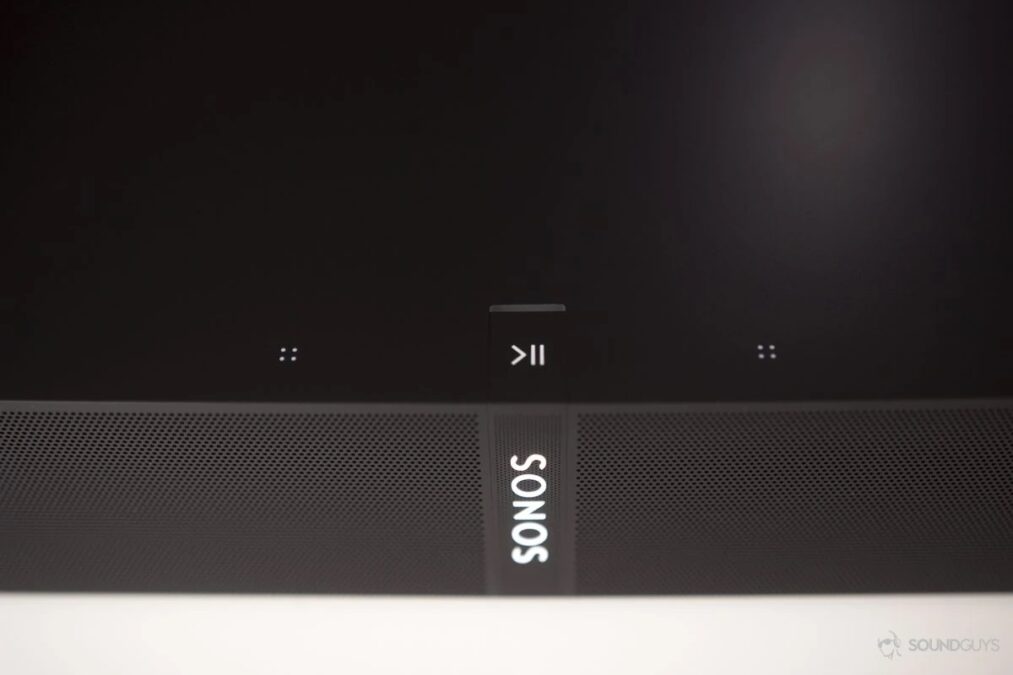
It’s almost hard to believe now, but soundbars used to be a novelty. The idea of merging stereo and/or subwoofer components into a single unit seems obvious in retrospect, and many people don’t need anything more if they’re going to upgrade their TV’s audio. A soundbar simplifies setup and wiring, and more advanced models simulate spatial audio formats like Dolby Atmos without the cost (or hassle) of satellite speakers.
Smart soundbars are increasingly common, with the natural appeal that they kill two birds with one stone — boosting TV audio while putting a smart speaker in your living room or bedroom. Even models without onboard voice controls still support varying degrees of smart home integration, such as automations, or casting technologies like Google Cast and AirPlay.
AI initiatives are moving from experimentation to production at an increasingly fast pace: 44% of organizations with multiple gen AI […]
Amazon Redshift helped define the first wave of cloud data warehousing. For many enterprises, it became the backbone of analytics […]
Why “Talk to Your Data” Is Table Stakes — and Why the Winners Will Build Context, Not Just Models For […]
Our services help both the big and small organisations in the identification of security breaches and provide outclass solutions to prevent any potential harm.
