
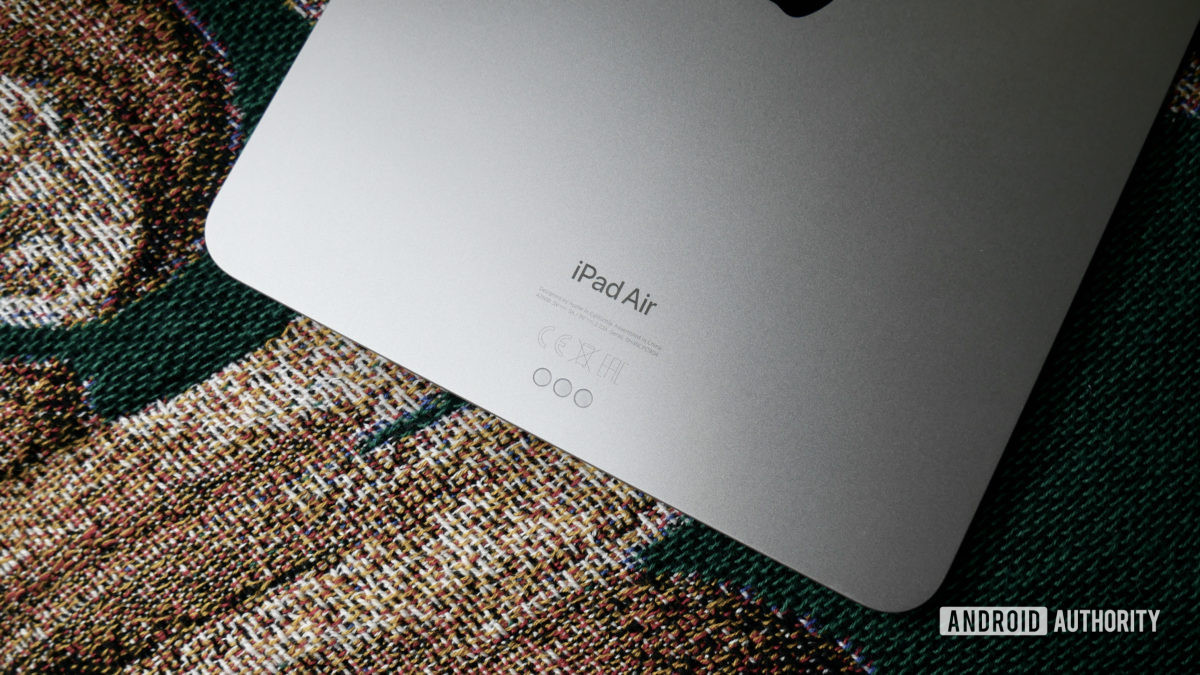
Apple’s strategy of slapping powerful chips into affordable hardware isn’t a new one, but it’s really kicked it up a notch with the iPad Air (5th generation). Adding laptop-tier silicon to the iPad Pro line was one thing, but a beefy M1 processor in Apple’s lightweight, sub-flagship tablet surely makes it a no-brainer, right? Yes, but as is often the case with any piece of fancy tech, it’s not quite that simple. Let’s break it down in this Apple iPad Air (5th generation) review.
Snowflake customers can now take advantage of Gemini 4 Argon natively in Snowflake’s AI tools—bringing deep reasoning and visual analysis […]
For life sciences organizations, real-world data (RWD) has become one of the enterprise’s most valuable assets. Operationalized as real-world evidence […]
Enterprise HR and financial data is essential to understand how a business runs. But it doesn’t tell the full story […]
Our services help both the big and small organisations in the identification of security breaches and provide outclass solutions to prevent any potential harm.