
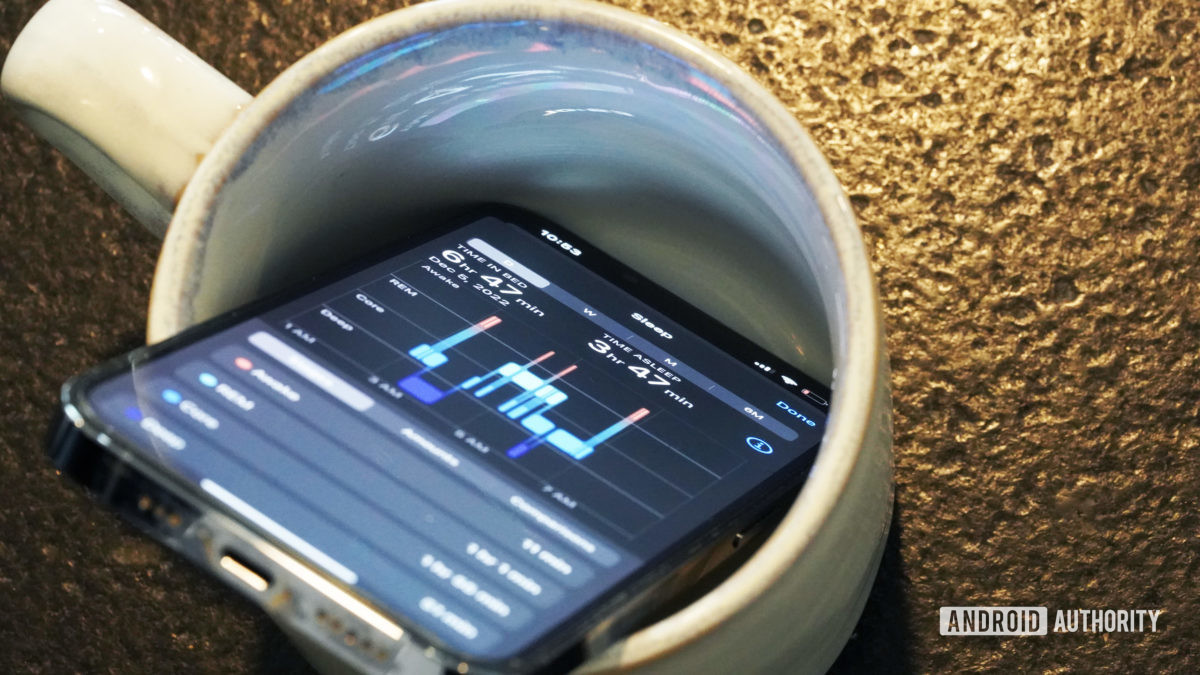
I don’t sleep much. While I understand the world functions by daylight, I’ve always found my most productive hours start at a low light setting. Maybe fairytales shouldn’t make midnight sound like such an exciting hour to be losing shoes. When I do make my way to bed, I like to lie awake staring at the ceiling, contemplating pressing matters like “what would my shins look like if I were six feet tall instead of five?” As a wearables enthusiast, I don’t just know this about myself, I have the sleep-tracking data to show for it.
Deeply motivated by grade-based performance, I became obsessed with improving my sleep score because, as everyone knows, there’s no quicker way to quality sleep than stressing about it. Needless to say, I still don’t sleep a whole lot, but I have learned how sleep tracking helps, and how it sometimes doesn’t.
Snowflake customers can now take advantage of Gemini 4 Argon natively in Snowflake’s AI tools—bringing deep reasoning and visual analysis […]
For life sciences organizations, real-world data (RWD) has become one of the enterprise’s most valuable assets. Operationalized as real-world evidence […]
Enterprise HR and financial data is essential to understand how a business runs. But it doesn’t tell the full story […]
Our services help both the big and small organisations in the identification of security breaches and provide outclass solutions to prevent any potential harm.
