
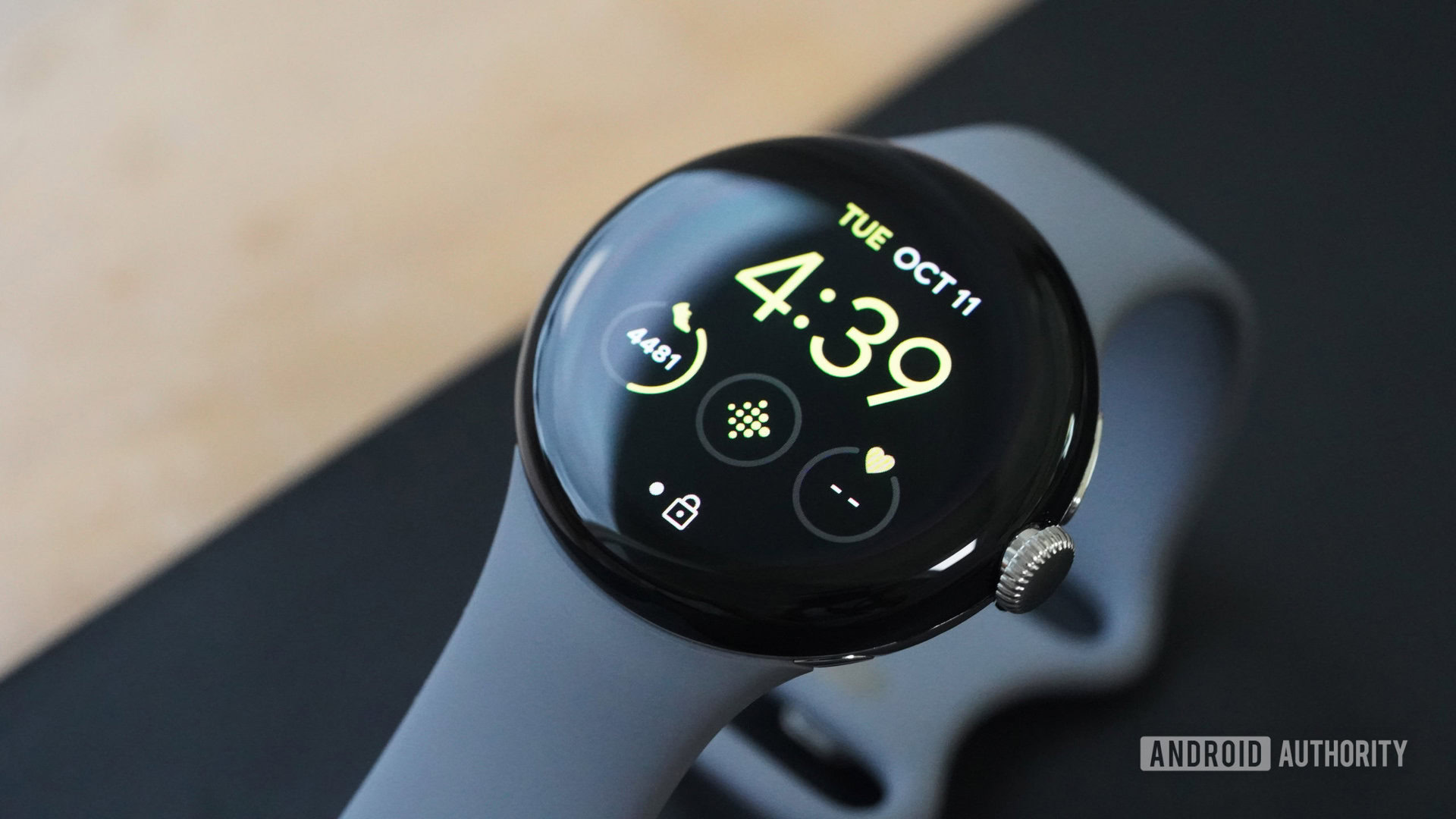
For a long time, the general consensus among Wear OS watch users was that the platform wasn’t all that good. Stutters, slowness, weird bugs, frequent disconnects from the phone, and the absence of a properly-integrated fitness and health service were among the chief reasons for that thinking. Not to mention Google’s on-again-off-again relationship with the platform, with updates one day and neglect the next.
Then the Google-Samsung partnership and the Galaxy Watch 4 happened, signaling Google’s long-term commitment to Wear OS on an abstract level and the platform’s not-so-suckiness on a concrete level. It was one of the first examples that watches running Google’s software could actually be smooth, responsive, and competitive against the best of the best smartwatches.
Snowflake customers can now take advantage of Gemini 4 Argon natively in Snowflake’s AI tools—bringing deep reasoning and visual analysis […]
For life sciences organizations, real-world data (RWD) has become one of the enterprise’s most valuable assets. Operationalized as real-world evidence […]
Enterprise HR and financial data is essential to understand how a business runs. But it doesn’t tell the full story […]
Our services help both the big and small organisations in the identification of security breaches and provide outclass solutions to prevent any potential harm.
